
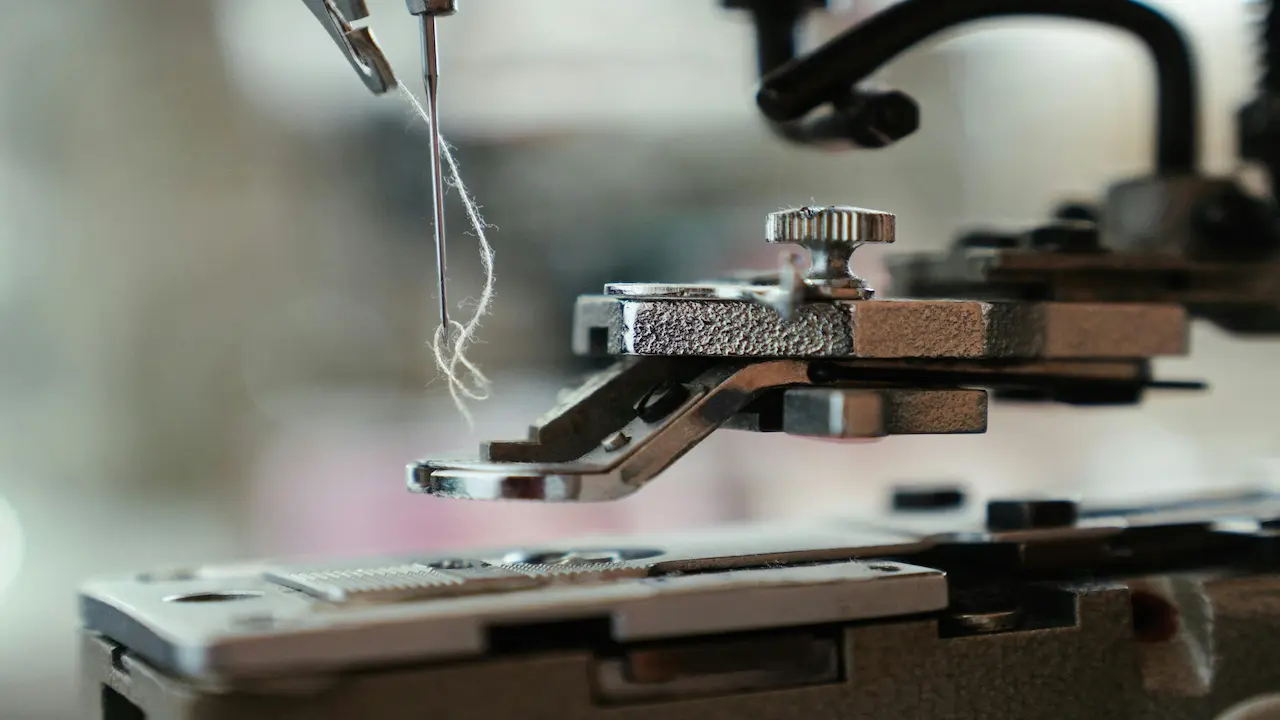
Thandeka, a key player in skills development for the garment sector, is officially inviting applications for its Sewing Machine Mechanics Learnership 2026. This 12-month, credit-bearing programme leads to a National Certificate in Sewing Machine Mechanics (NQF Level 3).
While many seek general sewing roles, this learnership targets the technical backbone of the clothing industry: the mechanics who keep production lines moving. With 126 credits, this is a rigorous technical pathway for those who prefer working with tools, gears, and electrical systems over fabric alone.
Thandeka Learnership 2026: Quick Facts
| Feature | Details |
| Organization | Thandeka |
| Programme | Sewing Machine Mechanics |
| Qualification | NQF Level 3 (126 Credits) |
| Duration | 12 Months |
| Closing Date | Rolling Applications (Check Portal) |
| Focus Industry | Clothing, Textile, Footwear & Leather (CTFL) |
Technical Insight: The Mechanic’s Core Competencies
This learnership moves beyond “fixing” machines; it is about engineering efficiency in a manufacturing environment. Learners develop deep technical expertise in:
- Machinery Maintenance: Servicing Lockstitch and Overlock industrial machines to prevent downtime.
- Systems Knowledge: Understanding the mechanical, pneumatic, and electronic concepts that power modern industrial apparel equipment.
- Tool Proficiency: Mastery of specialized hand and power tools applicable to high-speed sewing machinery.
- Waste & Quality Control: Implementing technical adjustments to reduce fabric waste and ensure stitch integrity.
Minimum Entry Requirements
To qualify for the 2026 intake, you must meet one of the following criteria:
- Academic Path: Minimum of Grade 10 completed.
- Technical Path: A National Certificate at NQF Level 2 in an engineering or manufacturing-related field.
- Experience Path: At least one year of working experience in an industrial manufacturing environment (electrical, mechanical, or sewing-focused).
- Exemption Note: Learners with a Grade 11 certificate (including English and Mathematics) may be exempt from certain fundamental modules through Recognition of Prior Learning (RPL).
How to Apply: The Thandeka Digital Portal
Applications must be processed through the official Thandeka learner registration system. To ensure your profile is prioritized:
- Document Preparation: Have PDF copies of your ID, Latest School Report/Certificate, and a CV highlighting any mechanical interest.
- Online Application: Visit the [Thandeka Learner Application Page] to create your profile.
- Motivation Tip: In your application, clearly state if you have experience as a Sewing Machine Operator; your desire to move from “operating” to “repairing” is a high-value signal for recruiters.
Frequently Asked Questions (FAQs)
1. Is this a “Sewing” learnership?
No. While you will work with sewing machines, this is a mechanical and engineering-focused programme. You are being trained to maintain and repair the machines, not to become a seamstress or tailor.
2. What is the stipend for this learnership?
As a SETA-aligned learnership, participants typically receive a monthly stipend governed by the FP&M SETA sectoral rates for NQF Level 3.
3. What can I do with an NQF Level 3 in Sewing Machine Mechanics?
You will be qualified to work as a Junior Mechanic in clothing factories, open your own repair business, or work for industrial machinery suppliers.
4. Can I apply if I only have a Grade 10?
Yes. Grade 10 is the minimum academic entry requirement for this specific technical certificate
Disclaimer for AfterMatric24: The information provided here is for general career guidance. While we strive for 100% accuracy, learners are encouraged to verify details on the official Thandeka application portal. AfterMatric24 is not a recruitment agency.
IMPORTANT SCAM ALERT: Thandeka will NEVER ask you to pay for a learnership application or “placement fee.” All recruitment is done through official digital channels.
Trusted 100/100